Understanding Tikanga: Māori Etiquette for Travelers
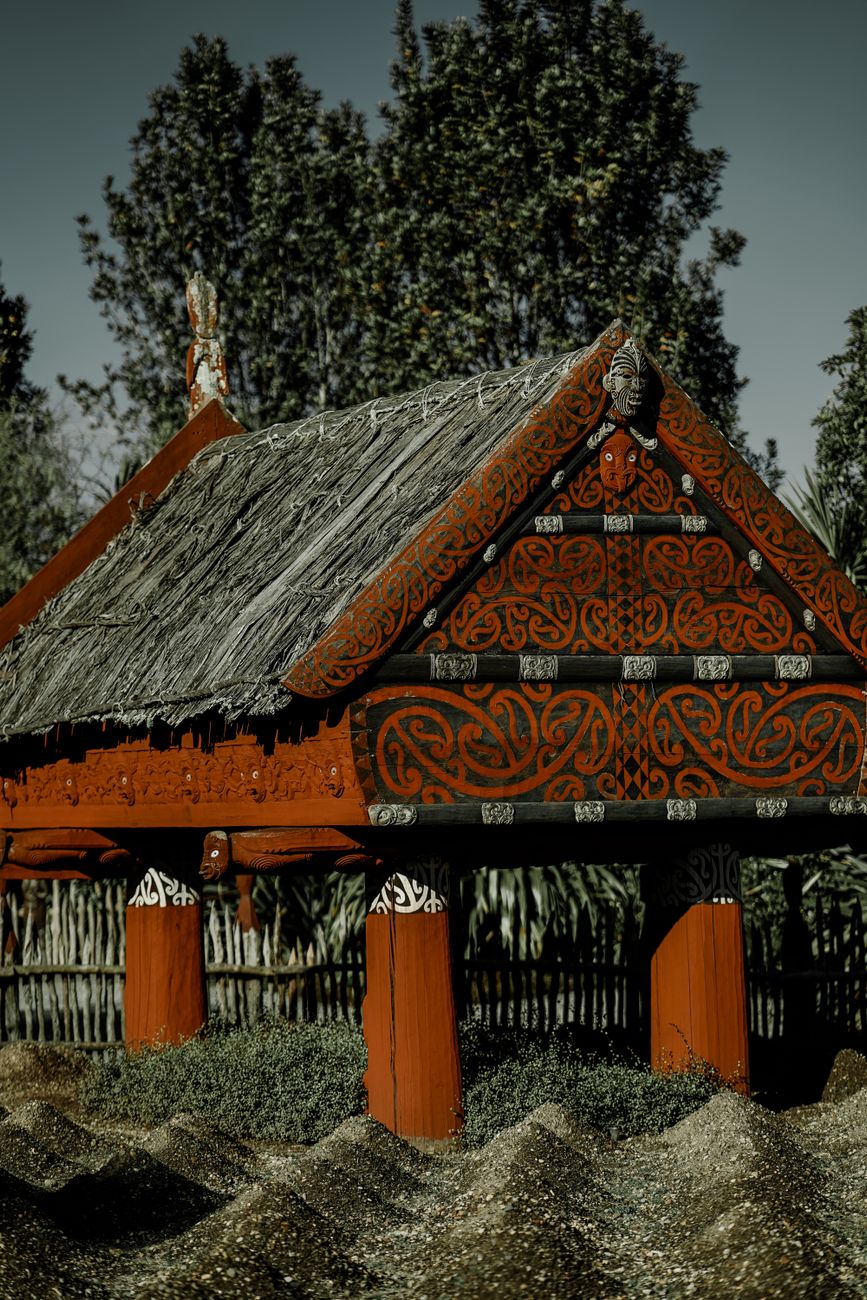
Traveling through Aotearoa New Zealand offers a rich opportunity to engage with Te Ao Māori (the Māori worldview). Understanding basic cultural customs, known as tikanga, ensures your visit is respectful, welcome, and deeply rewarding.
Core Cultural Values
At the heart of Māori culture are several key values that influence daily interaction and environmental care:
- Manaakitanga: Showing hospitality, care, respect, and generosity toward guests and community.
- Kaitiakitanga: Environmental guardianship and responsibility to preserve nature for future generations.
- Tapu and Noa: Tapu refers to sacredness or spiritual restriction, while Noa represents ordinary or non-sacred states.
Visiting Sacred Sites (Tapu Landscapes)
Many natural features across New Zealand—including alpine summits like Aoraki / Mount Cook, thermal pools, and ancient Kauri forests—carry sacred cultural significance. Respecting these locations means avoiding behaviors like standing directly on mountain peaks, consuming food near sacred burial grounds, or stepping on ancient root systems.
"When visiting geothermal waters or mountain summits, look for local iwi (tribe) signage. If a area is marked as Tapu, honor restrictions by staying on marked boardwalks."
Marae Protocol (Pōwhiri Welcome)
If you have the privilege of visiting a Marae (communal meeting grounds), you will likely undergo a pōwhiri (formal welcome ceremony). Key guidelines include:
- Remove footwear before entering the Wharenui (main meeting house).
- Never sit on tables or pillows intended for heads, as sitting on food surfaces breaches basic tapu boundaries.
- Do not take photographs inside the Wharenui unless explicit permission is granted by your hosts.
- Participate warmly in the hongi (traditional greeting of pressing noses and foreheads together) when invited.
Learn more about cultural travel
We incorporate authentic cultural experiences into all our custom itinerary planning.
Contact Our Team